
Est. 2026 · Club Rugby · Long-Form
Every Try Starts
With a Story.
A new rugby journal. Launching soon.
430 readers already waiting
I was about four years old, sitting on my father's shoulders.
The crowd moved like a single creature — breathing in when the fullback caught the high ball, exhaling when he broke the line. I didn't understand the game yet. I understood the feeling. That low, collective thrum of fifteen people doing one thing together. I've been chasing that feeling ever since.
My father had played loosehead prop for a club in the west of Ireland whose pitch was more bog than grass. He never talked about the tries he scored — he talked about the drives, the mauls, the moments when the whole pack found the same rhythm and the opposition simply had nowhere to go. That was the game he loved. Not the highlight. The architecture of it.
“He talked about the drives, the mauls — the moments when the whole pack found the same rhythm.”
That's what I want Scrum to be. Not a highlights reel. A record of the architecture — the calls, the decisions, the people behind them. The stories that don't make the broadcast but live forever in clubhouse memory.

Dad's programme, Connacht v Ulster, 1987
32 yrs
of watching the game this way
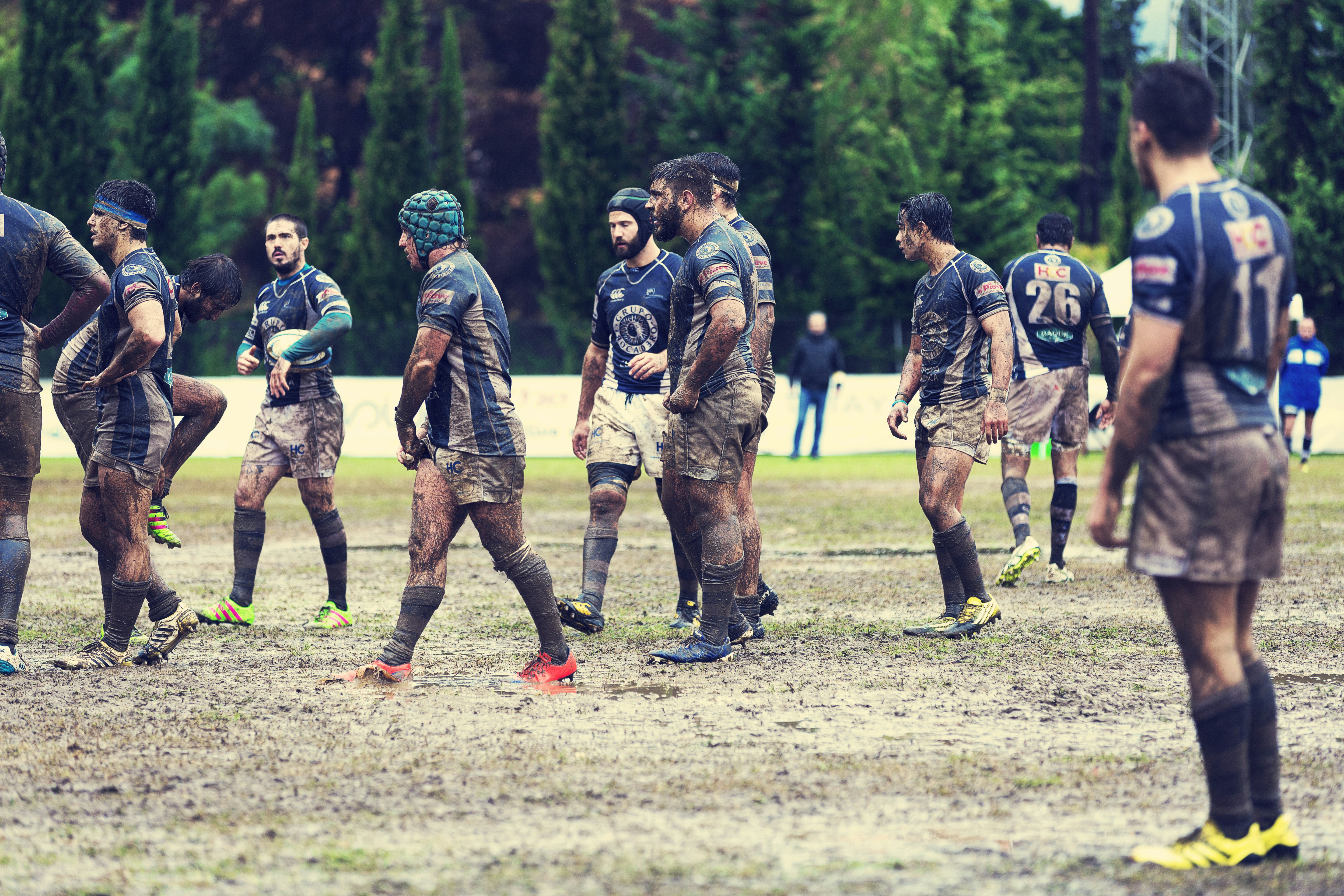
Number 7. Every Saturday for eleven years.
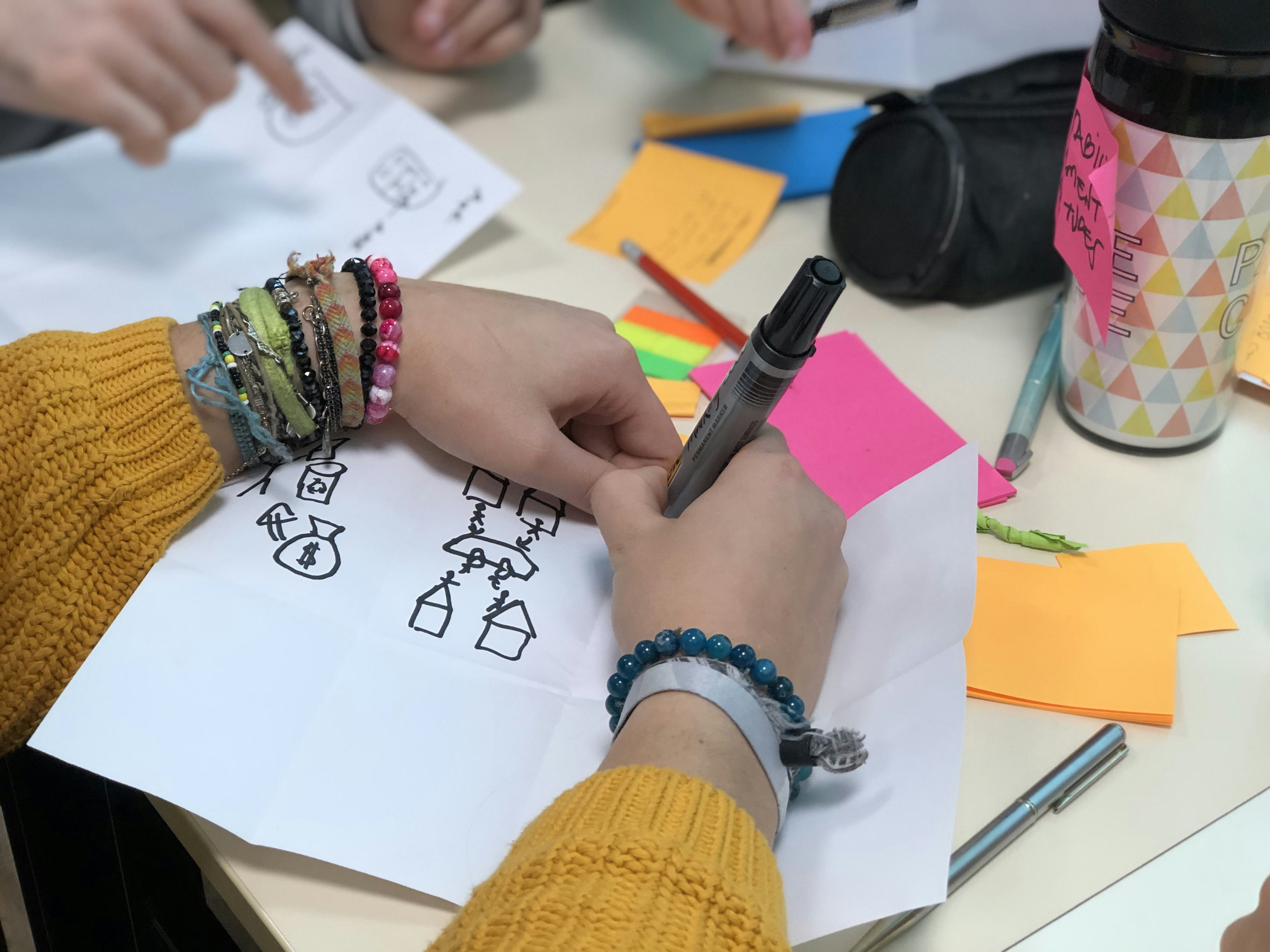
The lineout call that started everything
I played flanker for eleven seasons.
Not well, but with conviction.
County level on a good day, third XV on a bad one. Enough to understand what it costs to be the last man to the breakdown, to read a scrum going sideways three phases before it collapses, to know the difference between a lineout that's rehearsed and one that's felt. Rugby at that level is almost entirely invisible. No cameras, no commentary, no record.
The idea for Scrum came on a Tuesday night after a cup match we probably should have lost. Eight of us around a table in the clubhouse, someone had drawn the lineout on a napkin. The conversation lasted three hours. The napkin got folded into someone's jacket pocket. That conversation — that level of rugby thinking, from people who will never be interviewed about it — deserves to exist somewhere.
“That conversation deserves to exist somewhere permanent. That's what Scrum is for.”
So here we are. A journal for the people who fold napkins. For the expat watching Six Nations at 6 a.m. from a Brooklyn kitchen. For the rugby parent who fell in love with the sport through a child's first ruck and never fell back out. For every flanker who has ever dissected last weekend's lineout calls at a Monday morning desk.
The first issue is almost ready. Leave your email and I'll make sure you get it the moment it lands.
— Ciarán Walsh, founder
The first issue
is almost ready.
Leave your email. When we publish, you'll be the first to read it — in your inbox, no algorithm between us.
430 readers already waiting
No marketing. No weekly digests. One email when the journal drops. Unsubscribe anytime — though we'd rather you stayed.